Buying a car today feels very different compared to a few years ago. Prices have gone up, options have increased, and the second-hand car market has become more organised. Because of this, the new vs used car question is something almost every buyer in India is thinking about.
Some people want that fresh showroom feel, while others prefer saving money and getting better value. The truth is, both options make sense—it just depends on your situation.
New vs Used Car: Understanding the Basic Difference
A new car is simple—you’re the first owner, everything is unused, and you get full warranty support. A used car already has a previous owner, but if maintained properly, it can still be in excellent condition.
Earlier, people were hesitant about buying used cars. But now, with platforms offering verified vehicles and service history, trust has improved a lot. That’s why the new vs used car comparison is no longer one-sided.
![Discontinued Maruti Vitara Brezza [2016-2020] Price - Images, Colors & Reviews - CarWale](https://imgd.aeplcdn.com/664x374/cw/ec/21609/Maruti-Suzuki-Vitara-Brezza-Right-Front-Three-Quarter-68929.jpg?v=201711021421&q=80)
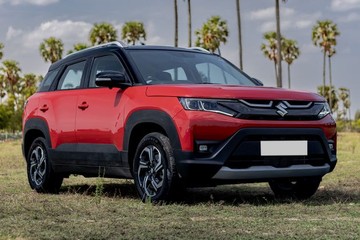
Budget: Where Most Decisions Start for New vs Used Car
Let’s be practical—budget matters.
A new car requires a higher upfront cost. Even a basic hatchback today can cost around ₹7–8 lakh on-road. On the other hand, a 2–3-year-old version of the same car might be available for almost half the price.
Think about it this way:
If you have ₹5 lakhs in hand, you can either buy a small new car or a bigger, more comfortable used car.Many people in cities like Lucknow or Noida are choosing the second option. It simply gives more value for money.
Depreciation in New vs Used Cars
One thing most buyers don’t think about is depreciation.
The moment a new car leaves the showroom, its value drops. In the first year itself, you may lose 15–20% of its price. Over time, this keeps reducing further.
Used cars don’t have this issue to the same extent. Since the major drop has already happened, the value stays more stable.
So, if you’re someone who thinks about resale in the future, this is an important point in the new vs used car decision.
Maintenance: Peace of Mind vs Practical Reality
A new car is easy to manage in the beginning. You get a warranty, fewer repairs, and a smooth experience overall.
With a used car, things depend on how well the previous owner maintained it. If the car has a clean service record, you’re good. If not, you might end up spending extra on repairs.
That’s why checking service history is a must.
Still, many certified used cars today come inspected and refurbished, which reduces the risk significantly.
Loan and Insurance Differences
Financing also plays a role.
Banks usually offer better interest rates on new cars. EMIs are easier to manage because of longer tenure options. Used car loans are available too, but interest rates are slightly higher.
On the plus side, insurance for used cars is cheaper. Since the car’s value is lower, the premium also reduces.
Features and Technology
This is where new cars clearly have an edge.
Cars in 2026 come with modern features like touchscreen systems, better safety equipment, and improved mileage. Some even offer advanced driver assistance features.
Used cars, especially older ones, may not have these updates. For some buyers, this doesn’t matter much. But for others, it’s a deal-breaker.
It really depends on how important technology is in your daily driving.
Mileage and Running Cost: New vs Used Car
Fuel cost is something every Indian car owner worries about.
New cars are generally more fuel-efficient because of updated engines and stricter emission norms. Used cars may consume slightly more fuel, especially if they are older.
However, if the car is well-maintained, the difference in mileage may not be huge.
Resale Value For New vs Used Car
Let’s talk about selling the car later.
A new car loses value quickly in the first few years. A used car, on the other hand, doesn’t depreciate as sharply.
For example, if you buy a used car for ₹5 lakh and sell it after a few years, your loss will be smaller compared to someone who bought a new car.
This makes used cars a smart option for short-term buyers.
Emotional vs Practical Thinking For New vs Used Car
In India, buying a new car is often emotional. It’s a big moment for many families. There’s pride in bringing home a brand-new vehicle.
At the same time, a used car is a more practical decision. You spend less, avoid heavy EMIs, and still get a decent vehicle.
It’s basically a choice between heart and mind.
When Does a New Car Make Sense?
A new car is a good choice if:
- You have a stable income
- You plan to use the car for many years
- You want the latest features
- You don’t want to worry about repairs
It suits families looking for long-term reliability.
When Is a Used Car Better?
A used car works well if:
- Your budget is limited
- You are buying your first car
- You want more space or a bigger model at a lower price
- You may upgrade in a few years
It’s a smart move for people who want flexibility.
Quick Comparison
| Factor | New Car | Used Car |
|---|---|---|
| Price | High | Lower |
| Depreciation | Fast | Slower |
| Features | Latest | Basic |
| Maintenance | Low initially | Depends |
| Resale | Drops quickly | More stable |
Popular Choices in India
If you are planning to buy:
New cars:
Models like Alto K10, Tata Punch, and Hyundai Creta are popular for their reliability and features.
Used cars:
Options like WagonR, Honda City, or older Creta models give great value in the second-hand market.
Things You Should Always Check Before buying any car:
- Take a proper test drive
- Check documents carefully
- Look at service history (for used cars)
- Compare total cost, not just EMI
- Choose the right fuel type based on usage
Final Thoughts
The new vs used car decision doesn’t have a single correct answer.
If you want comfort, reliability, and long-term use, a new car makes sense. If you want to save money and still get a good vehicle, a used car is a smart choice.
In the end, the best decision is the one that fits your budget and your lifestyle. Take your time, think practically, and choose what works for you—not what others say.