The future of cars in India is not just about new models launching every year. It’s about a complete shift in how people think about driving, ownership, and even fuel. With rising petrol prices, increasing traffic, and growing pollution, change was bound to happen—and now it’s happening quickly.
Take a moment and think about the cars we used to see on Indian roads 10–15 years ago. Mostly small hatchbacks, basic features, and the biggest concern was mileage. Fast forward to today, and things look very different. Cars have become smarter, more stylish, and much more advanced.
Future of Cars in India: Electric Vehicles Taking the Lead
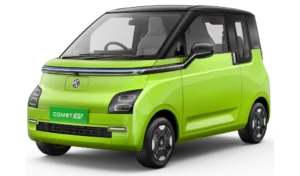
Let’s be honest—fuel prices in India are not going down anytime soon. For many middle-class families, monthly petrol expenses have become a big concern. That’s one of the main reasons electric vehicles (EVs) are getting attention.
Imagine a person working in a city like Noida or Bengaluru, travelling 25–30 km daily. With an electric car, the daily running cost drops significantly compared to petrol. Plus, charging the car overnight at home is quite convenient.
Of course, there are still doubts. People worry about battery life or where to charge during long trips. But slowly, these concerns are reducing as infrastructure improves. EVs may not replace everything immediately, but they are definitely a big part of what’s coming next.
Future of Cars in India: Why Hybrid Cars Still Make Sense
Now, not everyone is ready to go fully electric—and that’s completely understandable. This is where hybrid cars come into the picture.
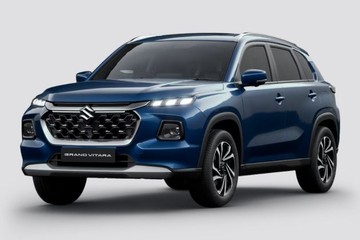
Hybrid vehicles use both petrol and electric power. So if you’re stuck in city traffic, the electric motor helps save fuel. On highways, the petrol engine takes over. Simple and practical.
For example, a family travelling regularly between Jaipur and Delhi might prefer a hybrid. They don’t have to worry about charging stations, and still get better mileage than a normal petrol car.
Because of this balance, hybrids will continue to play an important role in the future of cars in India, especially outside metro cities.
Future of Cars in India: Cars Are Becoming Smarter
Earlier, a car’s job was simple—take you from point A to point B. Now, it does much more than that.
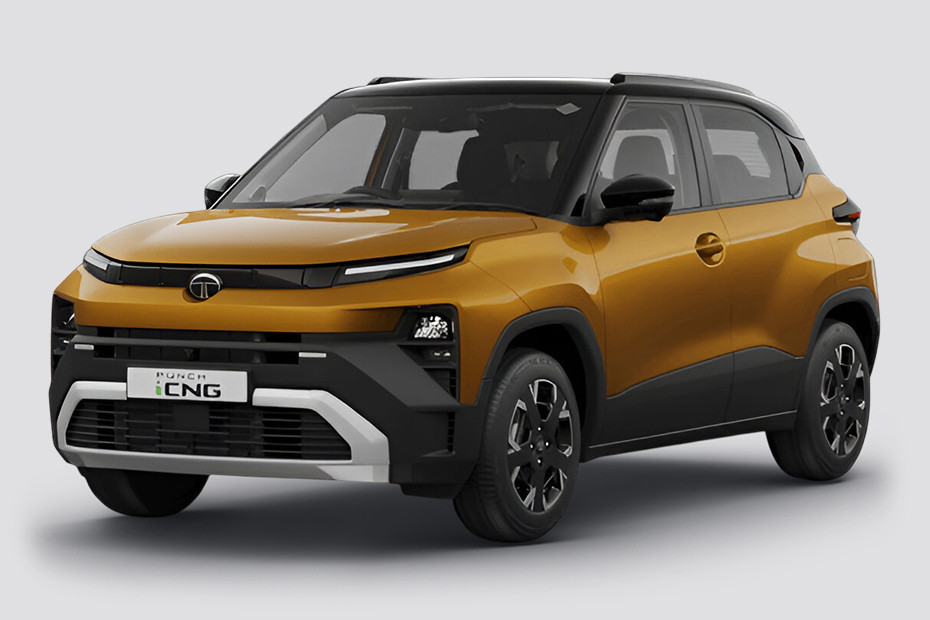
Today’s cars come with touchscreens, navigation, voice commands, and even smartphone apps. You can check your car’s location, fuel level, or even lock it remotely.
Picture this: it’s peak summer in Lucknow, and you start your car’s AC from your phone before stepping out of your house. Small feature, big comfort.
In the coming years, cars will feel more like gadgets—connected, responsive, and personalised to your needs.
Future of Cars in India: Safety Is No Longer Optional
Indian buyers have become more aware, especially when it comes to safety. Earlier, people would ask, “Kitna mileage deta hai?” Now they also ask, “Kitne airbags hain?”
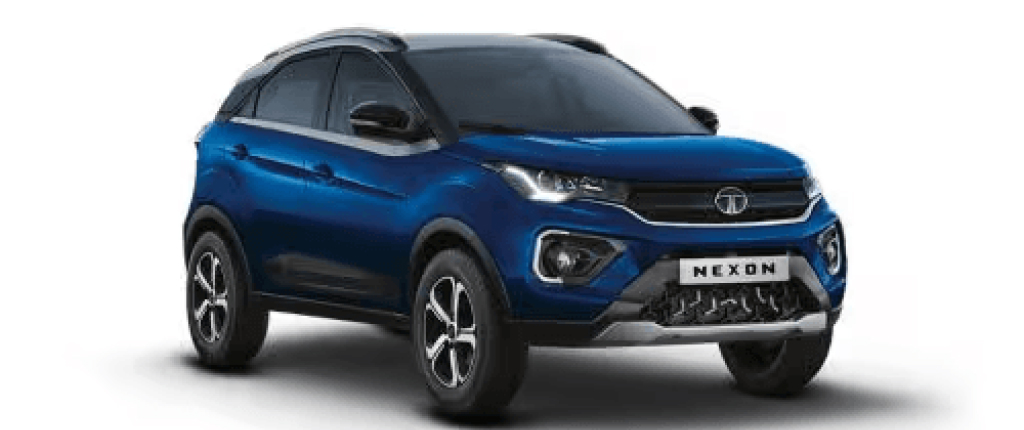
With traffic getting worse and highways becoming busier, safety features are more important than ever. Airbags, ABS, rear parking sensors—these are slowly becoming standard.
Some cars even offer advanced features like lane assist and emergency braking. These systems can actually prevent accidents, especially in heavy traffic.
This shift clearly shows that safety is becoming a priority, not an afterthought.
Future of Cars in India: Government Is Pushing the Change
The government is also playing its part in shaping the automobile industry. Policies promoting electric vehicles and stricter emission rules are encouraging companies to innovate.
Subsidies on EVs, lower taxes, and better regulations are making cleaner vehicles more attractive. At the same time, stricter norms are forcing manufacturers to reduce pollution levels.
These steps might not seem very visible to everyday buyers, but they are quietly driving big changes in the background.
Future of Cars in India: Changing Mindset of Buyers
There was a time when owning a car was more about status. Bigger car meant better image. But today, things are different.
People are thinking more practically. They look at fuel costs, maintenance, resale value, and features. Young buyers, especially, want a mix of style and technology.
Compact SUVs, EVs, and feature-rich hatchbacks are becoming popular choices. This shift is forcing companies to adapt quickly.
Future of Cars in India: Charging Infrastructure Improving Slowly
One of the biggest concerns with electric cars has always been charging. “Agar battery khatam ho gayi toh?”—this is a common question.
But things are improving. Charging stations are now available in many cities and even on highways. Some residential societies and offices are also installing chargers.
It’s not perfect yet, especially in smaller towns, but progress is clearly visible. Over time, this will become less of a concern.
Automation in Everyday Driving Cars
Fully driverless cars might take time in India (let’s be real—our traffic is unpredictable!). But automation is already entering in small ways.
Features like cruise control, parking assist, and driver alerts are becoming common. These make driving easier, especially during long journeys or heavy traffic.
In the future, we can expect more such features that reduce effort and improve comfort.
Focus on Sustainability
Today, it’s not just about driving—it’s also about responsibility. Sustainability is becoming an important topic in the automobile industry.
Companies are working on reducing emissions, using recyclable materials, and improving manufacturing processes. Even buyers are becoming more conscious about their choices.
This overall shift is good for both the environment and future generations.
Challenges That Still Exist
Even with all this progress, there are some challenges. Electric cars are still expensive for many people. Charging infrastructure is not fully developed everywhere. And some buyers are still unsure about new technology.
But these are early-stage problems. Just like smartphones became common over time, cars will also evolve.
Conclusion
The Indian automobile industry is clearly moving in a new direction. Technology, rising costs, and changing lifestyles are all playing a role.
The future of cars in India will not be defined by just engines or mileage. It will be about smart features, clean energy, and better driving experiences.
And if you think about it, the way we travel in the next 10 years might feel completely different from what we are used to today.