Buying a car today is no longer a simple decision. With electric vehicles gaining popularity, many buyers find themselves comparing them with traditional petrol cars. At first glance, petrol cars seem more affordable, while electric vehicles look expensive. But the real cost of owning an EV vs petrol car goes far beyond the showroom price.
To truly understand which option makes more sense, you need to look at real-world usage, long-term expenses, and practical examples.
1. Comparing Real Cars in the Same Segment
Let’s begin with two popular SUVs in India:
- Electric: Tata Nexon EV
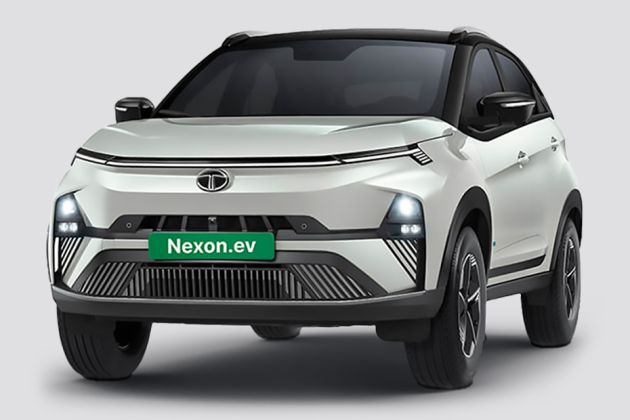
- Petrol: Hyundai Creta

Both are widely used, family-friendly vehicles, making them ideal for comparison.
Price Comparison Table
| Factor | Tata Nexon EV | Hyundai Creta (Petrol) |
|---|---|---|
| On-road Price | ₹15–17 lakh | ₹11–13 lakh |
| Fuel Type | Electricity | Petrol |
| Registration Cost | Lower | Standard |
At this stage, the petrol car clearly looks like the cheaper option. However, this is just the starting point in understanding the real cost of owning an EV vs petrol car.
2. Real Cost of Owning an EV vs Petrol Car: Running Cost Comparison
Now let’s consider a typical user who drives 1,200 km per month.
Monthly Running Cost Table
| Expense Type | Nexon EV | Creta Petrol |
|---|---|---|
| Cost per km | ₹1–1.5 | ₹6–7 |
| Monthly Cost | ₹1,500–₹2,000 | ₹7,500–₹8,500 |
That’s a monthly saving of around ₹6,000 with an EV.
Over a year, this becomes nearly ₹70,000. Over five years, the savings cross ₹3 lakh. This is where the real cost of owning an EV vs petrol car starts tilting strongly toward electric vehicles.
3.EV vs Petrol Car Maintenance Cost Comparison
Maintenance is another area where electric vehicles quietly save money.
Maintenance Comparison Table
| Factor | Nexon EV | Creta Petrol |
|---|---|---|
| Engine Oil | Not needed | Required |
| Moving Parts | Fewer | Many |
| Annual Cost | ₹3,000–₹5,000 | ₹10,000–₹15,000 |
Petrol cars require regular servicing, oil changes, and part replacements. EVs, with simpler mechanical systems, avoid many of these costs.
Over 5 years:
- EV maintenance: ~₹20,000
- Petrol maintenance: ~₹60,000
These savings add directly to the real cost of owning an EV vs petrol car.
4. 5-Year Ownership Cost Comparison
Let’s combine all major expenses.
Total Cost Table (5 Years)
| Cost Component | Nexon EV | Creta Petrol |
|---|---|---|
| Purchase Price | ₹16 lakh | ₹12 lakh |
| Running Cost | ₹1 lakh | ₹4.5 lakh |
| Maintenance | ₹20,000 | ₹60,000 |
| Total Cost | ₹17.2 lakh | ₹17.1 lakh |
Interestingly, both cars end up costing almost the same after five years. This clearly shows that the real cost of owning an EV vs petrol car is not about initial price—it’s about long-term usage.
5. Budget Segment Comparison
Let’s also look at smaller, more affordable cars:
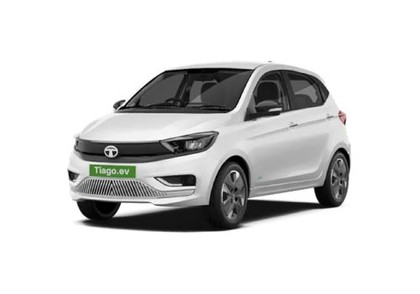
- Electric: Tata Tiago EV
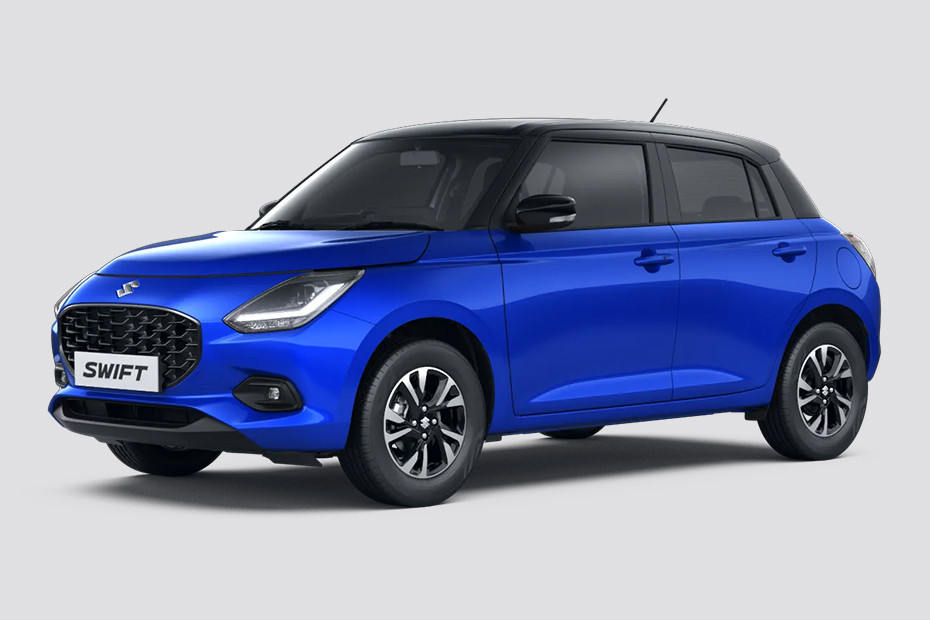
- Petrol: Maruti Suzuki Swift
Price Table
| Car | Price Range |
|---|---|
| Tiago EV | ₹9–11 lakh |
| Swift Petrol | ₹7–9 lakh |
Running Cost (1,000 km/month)
| Expense | Tiago EV | Swift Petrol |
|---|---|---|
| Monthly Cost | ₹1,200 | ₹6,000 |
Even in this segment, the real cost of owning an EV vs petrol car follows the same trend—EVs cost more initially but save money every month.
6. Real-Life Usage Examples
Example 1: Daily Office Commuter
Rohit drives 50 km every day and owns a Tata Nexon EV.
- Monthly savings: ₹5,000–₹7,000
- Break-even time: 3–4 years
For him, the EV clearly makes financial sense.
Example 2: Occasional Driver
Suresh drives only 500 km per month and owns a Hyundai Creta.
- Fuel cost is manageable
- EV savings would be minimal
For him, the petrol car is more practical.
This highlights a key point: the real cost of owning an EV vs petrol car depends heavily on how much you drive.
7. Battery vs Engine Costs
One concern people often raise is battery replacement.
Comparison Table
| Factor | EV | Petrol |
|---|---|---|
| Major Cost | Battery replacement | Engine repairs |
| Cost Range | ₹2–4 lakh (after years) | Gradual expenses |
| Warranty | 6–8 years | 3–5 years |
While EV batteries are expensive, they last several years and are covered by warranties. Petrol cars, meanwhile, accumulate engine-related costs gradually.
8. Convenience and Infrastructure
| Feature | EV | Petrol |
|---|---|---|
| Refueling Time | Slow | Fast |
| Availability | Limited charging stations | Widely available |
| Home Option | Yes | No |
If you mainly drive in the city and can charge at home, EVs are convenient. But for long-distance travel, petrol cars still offer more flexibility.
9. Final Summary Table
| Category | EV Advantage | Petrol Advantage |
|---|---|---|
| Running Cost | ✅ | ❌ |
| Maintenance | ✅ | ❌ |
| Upfront Cost | ❌ | ✅ |
| Convenience | ❌ | ✅ |
| Long-Term Savings | ✅ | ❌ |
Final Verdict on Real Cost of Owning an EV vs Petrol Car
After examining real examples, costs, and practical scenarios, the real cost of owning an EV vs petrol car becomes much clearer.
Electric vehicles like the Tata Nexon EV and Tata Tiago EV are ideal for people who drive regularly and want to reduce long-term expenses.
On the other hand, petrol cars like the Hyundai Creta and Maruti Suzuki Swift are better suited for those who prioritize lower upfront cost and flexibility.
In the end, the decision is not just about price—it’s about usage, lifestyle, and how long you plan to keep the car. When viewed over several years, EVs are no longer just an eco-friendly option—they are becoming a smart financial choice for many Indian buyers.