The discussion around EV vs Hybrid has gained serious momentum in India by 2026. With fuel prices staying high and cities struggling with pollution, many buyers are now looking beyond traditional petrol and diesel cars. At the same time, government incentives and better technology have made cleaner vehicles more practical than ever.
Still, the real question remains—should you go fully electric or choose a hybrid? The answer depends largely on Indian driving conditions, infrastructure, and daily usage patterns.
EV and Hybrid Cars: Understanding the Basics
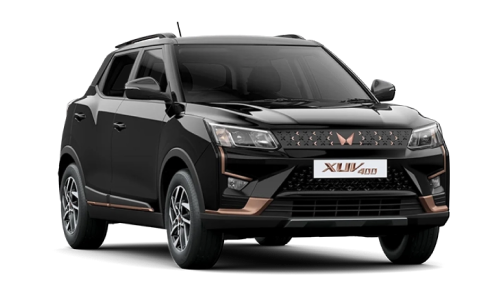
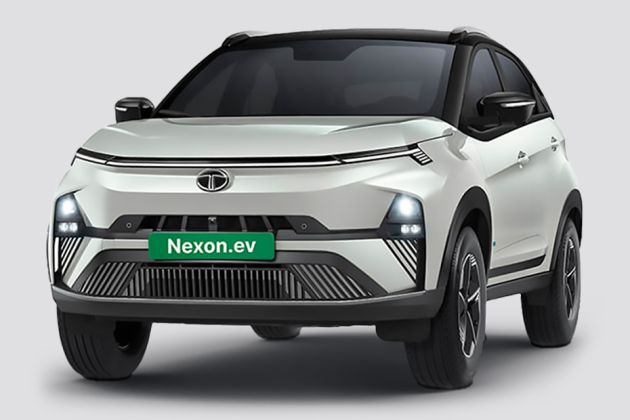
An electric vehicle (EV) runs completely on battery power. In India, popular choices include the Tata Nexon EV, MG ZS EV, and Mahindra XUV400. These cars need to be charged using home chargers or public charging stations.
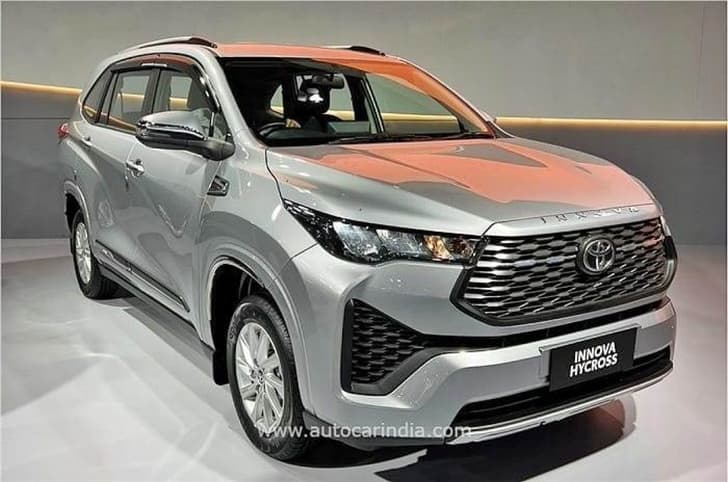
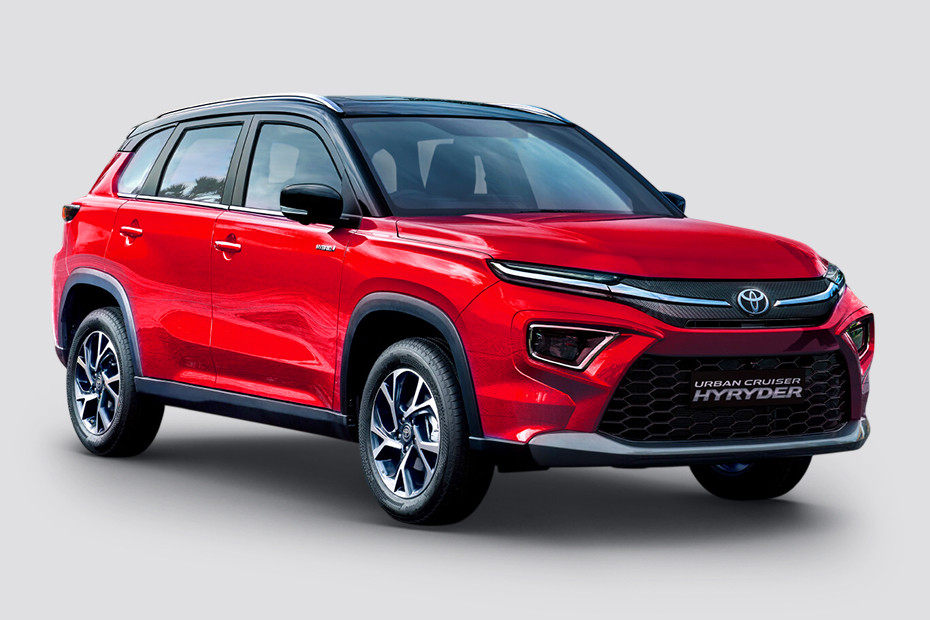
A hybrid vehicle uses both a petrol engine and an electric motor. Well-known options include the Toyota Urban Cruiser Hyryder, Honda City e:HEV, and Toyota Innova Hycross. These cars do not need external charging and automatically manage power between engine and battery.
Price Comparison in India: EV Cars vs Hybrid Models in India
When comparing EV vs Hybrid in India, pricing plays a crucial role. Electric cars like the Tata Nexon EV may seem expensive upfront, but state subsidies and lower registration charges reduce the overall cost. Plus, electricity is much cheaper than petrol, especially for daily commuting.
Hybrid cars such as the Toyota Urban Cruiser Hyryder are priced competitively but do not benefit from as many subsidies as EVs in most states.
Indian Buyer Insight:
- Budget-conscious upfront → Hybrid
- Long-term savings → EV
Running Cost: Electricity vs Petrol
In India, this is where EVs clearly shine.
Charging an EV like the Mahindra XUV400 at home can cost significantly less per kilometer compared to petrol. Many owners report running costs as low as ₹1–₹2 per km.
In contrast, hybrids like the Honda City e:HEV still depend on petrol, although they deliver excellent mileage.
Reality Check:
If you drive daily in cities like Delhi, Mumbai, or Bangalore, EV savings quickly add up.
Charging Infrastructure in India
Charging infrastructure has improved a lot in metro cities and highways. EV owners of cars like the MG ZS EV can now find charging stations in malls, offices, and even residential societies.
However, in smaller towns and rural areas, charging access is still limited.
Hybrid cars such as the Toyota Innova Hycross do not rely on charging infrastructure at all, making them more practical for pan-India travel.
Traffic Conditions and Real Driving
Indian traffic conditions actually favor EVs.
In stop-and-go traffic, EVs like the Tata Nexon EV perform efficiently because there is no fuel wastage during idling.
Hybrids like the Toyota Urban Cruiser Hyryder also benefit from regenerative braking, but they still use petrol when needed.
City Driving Verdict:
EVs are ideal for daily urban traffic.
Long-Distance Travel in India
For highway travel, hybrids currently have an advantage.
Driving a hybrid like the Toyota Innova Hycross across states is simple—you refuel anywhere and continue.
With EVs like the Mahindra XUV400, you need to plan charging stops, especially on less-developed routes.
Maintenance and Reliability
Electric vehicles have fewer mechanical parts, which is a big advantage in Indian conditions where maintenance costs matter.
Cars like the MG ZS EV require minimal servicing compared to hybrids.
Hybrid cars such as the Honda City e:HEV still need engine maintenance along with battery care.
Environmental Impact in Indian Cities
Air pollution is a serious concern in cities like Delhi and Kanpur. EVs like the Tata Nexon EV produce zero tailpipe emissions, making them a cleaner option.
Hybrids like the Toyota Urban Cruiser Hyryder reduce emissions but cannot eliminate them completely.
Government Policies and Future in India
The Indian government is strongly promoting EV adoption through subsidies, tax benefits, and infrastructure development. Many states offer additional incentives for EV buyers.
Hybrids, while efficient, do not receive the same level of policy support. This indicates that EVs are the long-term focus for India’s mobility future.
Choosing Between EV and Hybrid Vehicles in India
Choosing between EV vs Hybrid depends on how and where you drive.
Choose an EV like the Tata Nexon EV if:
- You live in a tier-1 or metro city
- Your daily commute is under 100 km
- You have access to home or office charging
- You want the lowest running cost.
Choose a Hybrid like the Toyota Urban Cruiser Hyryder if:
- You frequently travel long distances.
- You live in areas with limited charging.
- You want a hassle-free experience similar to petrol cars.
 Final Verdict: EV vs Hybrid Cars in India
In India in 2026, the EV vs Hybrid decision is more practical than theoretical. Electric vehicles are becoming the preferred choice for city users due to low running costs and government support. Models like the Mahindra XUV400 and MG ZS EV are proving that EVs are no longer just an alternative—they are a mainstream option.